
When AI startups bring a new product or service to market, their unfamiliarity with the customer's domain knowledge often leads to overly long adoption cycles or solutions that fail to address the customer's real pain points, which in turn leads to disputes over acceptance of results and unpaid final payments. To solve this common startup problem, the Digital Transformation Research Institute of the Institute for Information Industry (III) established a "Cross-Domain Proof-of-Concept Service" that matches startups with trial sites and applies III's 4D approach: understanding demand (Demand forecast), validation and adaptation (Design thinking), optimized development (DevSecOps Tools) and industry diffusion (Diffusion). It effectively helps startup teams test their products and track adoption at the site, working with the team to iterate toward products and adoption models with better market acceptance.
In addition, after building deep, trusted relationships with startups, we found that in their early days most teams, in the rush to get to market, often neglect some of the basic building blocks of running a company, such as:
(1) legal issues such as contract rigor, patent strategy and shareholding structure;
(2) business development issues such as designing the business model for charging customers and the investment strategy for raising funds from investors;
(3) internal management issues such as organizational structure, job responsibilities and performance evaluation. As a result, we later developed a new service, the "Startup Health Check," in which III works with a network of external experts to help startups strengthen their fundamentals.
Take the poultry industry as an example. A slaughter line includes stations for hanging, stunning and bleeding, evisceration, scalding and defeathering, chilling and quality grading. To help the AI startup bring its vision technology into the "quality grading station," III used the understanding-demand (Demand forecast) method, acting in the project as the communicator and translator between the AI startup and the traditional slaughterhouse. Together they defined the recognition criteria for chicken skin (such as tears, bruises, scabs and spots), how large a lesion must be to count as a defect, and the conditions for calculating total damaged area (such as the capture area and camera position). Through scientific definitions, III helped the traditional business pass on the experience of veteran workers and automate the process.
In validation and adaptation (Design thinking) and optimized development (DevSecOps Tools), common problems included the startup team being unable to obtain data with the correct fields from the traditional company's IT department for analysis, a push for the lowest cost when purchasing cameras and mounting hardware, unclear requirements caused by different business units (BUs) defining the same thing differently, and being unable to get key stakeholders into meetings to move the project forward. III therefore acted as an external consultant to coordinate the progress of the proof of concept, ensuring that the team's technology solved the customer's real pain points and building the trust needed for a lasting three-way partnership.
In the end, after the proof-of-concept project was confirmed and accepted by the site, it helped the poultry customer increase annual slaughter volume 1.5-fold, while helping the AI startup complete 1 skin-surface training model that can serve as the basis for extending into new businesses (such as scalp inspection technology for the beauty industry). Through interviews with the site and the AI startup, a digital transformation case study will be written and published, creating a model case to achieve the benefits of industry diffusion (Diffusion).
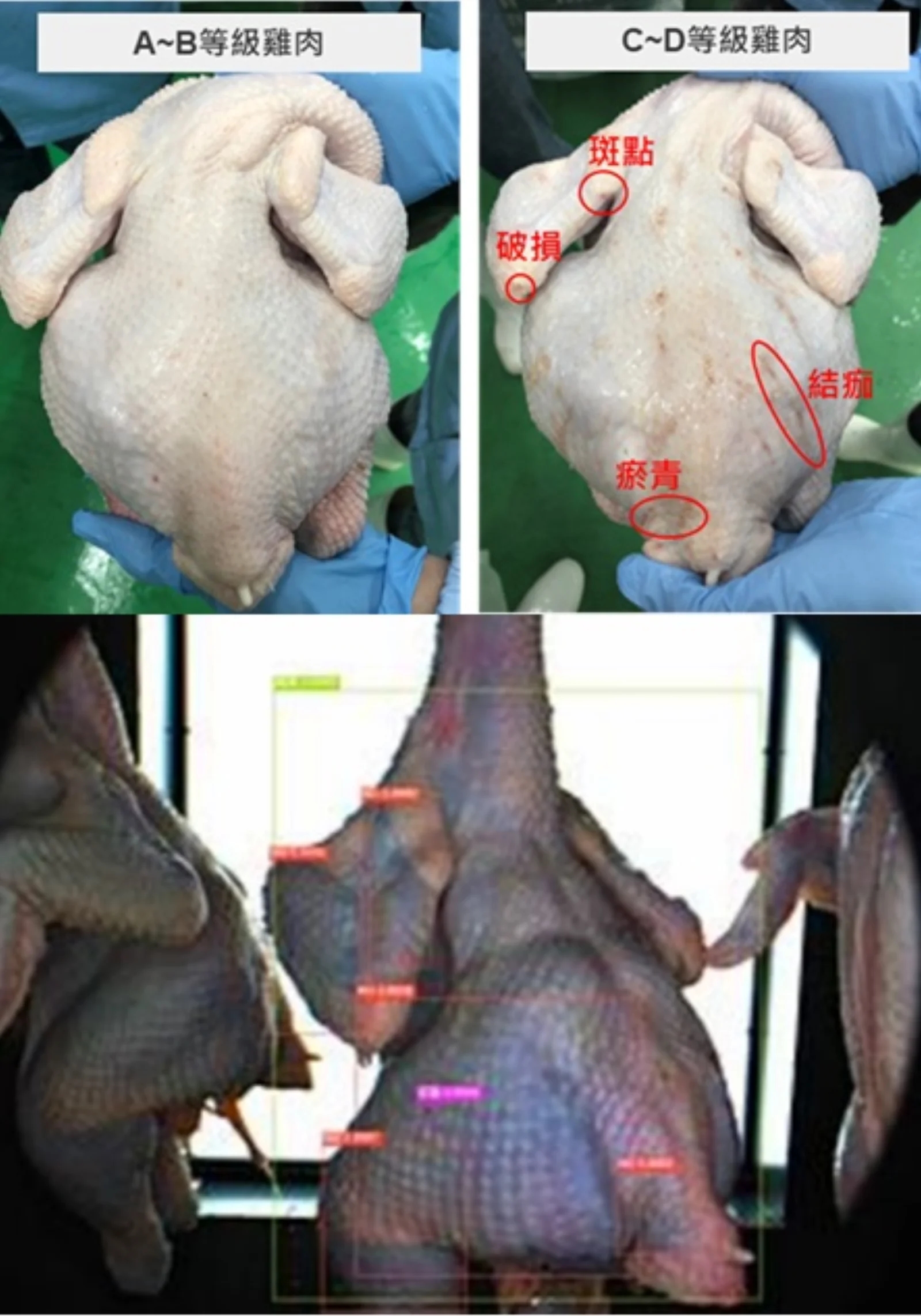
Figure 1: Aligning quality recognition specifications
Photo: III staff
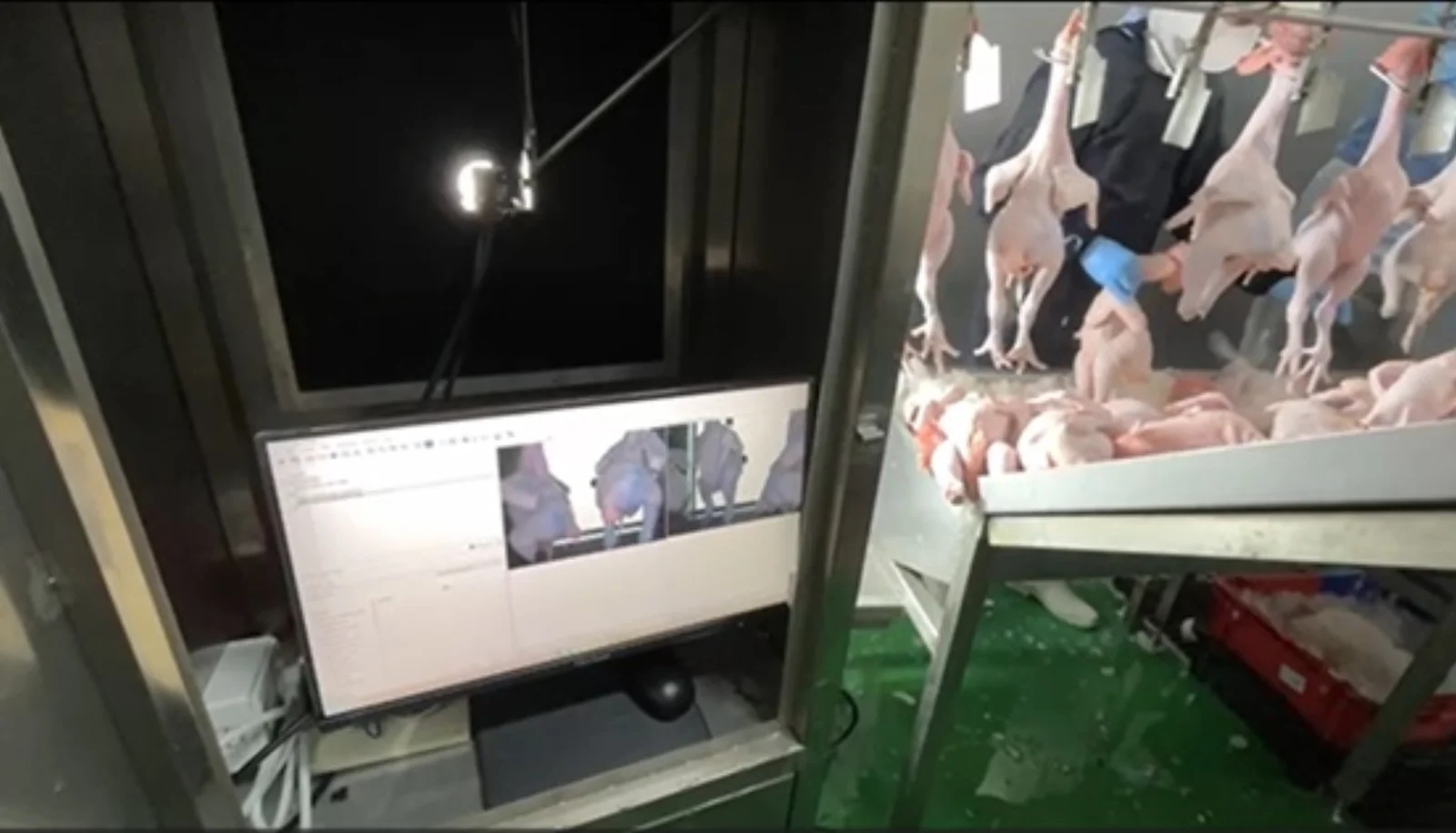
Figure 2: Vision recognition adopted at the quality grading station
Photo: AIWin team
Cover image: AIWin https://aiwin.com.tw/
Source: Cross-Domain Proof-of-Concept Service Center, Digital Transformation Research Institute, Institute for Information Industry